
These short animations break down the physiology you teach, in plain language. Use them to sharpen your own understanding, or as a reference when a student asks “but why does that actually work?”
Short animated explainers on the science behind breathwork, from SOMA Breath. Watch them in order, or jump straight to the topic that interests you.
The series
CO2 Tolerance
The Gas You Were Taught to Throw Away
5:50 · 97 MB

The thing that calms your body in seconds isn't more oxygen — it's carbon dioxide, the master dial of your breathing. This episode explains the Bohr effect (oxygen taxis delivering exactly where cells are working), chronic mild hyperventilation and its everyday causes, the morning breath-hold test (MBHT) done properly, and why exercise — especially movement you enjoy — is the most powerful way to raise your CO2 tolerance. Part 1 of the SOMA Breath science series.
Your Inner Pharmacy
A.D.O.S.E. (5 feel-good chemicals)
14:01 · 211 MB
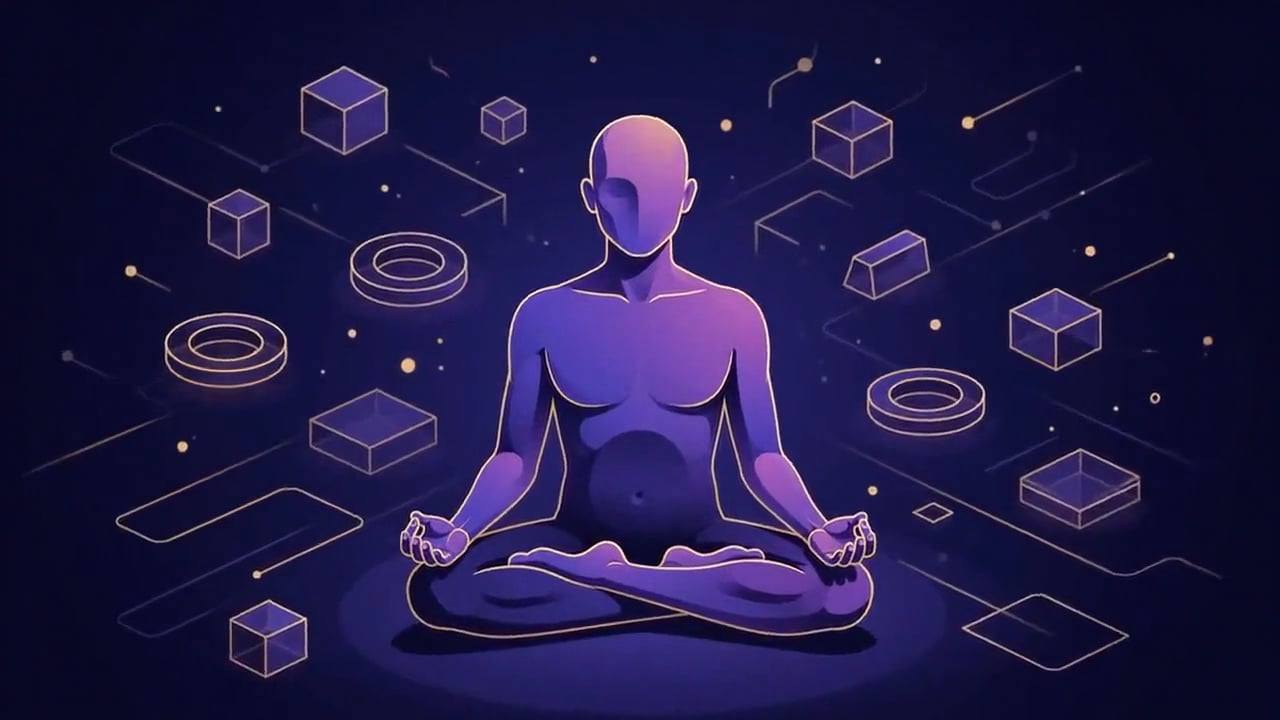
You already own a pharmacy — it's inside you. Breathe the right way and your body releases an A.D.O.S.E. of its own feel-good chemistry: Anandamide, Dopamine, Oxytocin, Serotonin, Endorphins. This episode covers each one, why loneliness and disconnection drive depression and heart disease, how breath acts as a remote control for your autonomic nervous system (with no side effects — no buzz-and-crash, no hangover), and the reprogramming window SOMA Breath calls NeuroSomatic Programming. Part 2 of the science series.
The Vagus Nerve
Your Body's Brake Pedal for Stress
3:58 · 71 MB
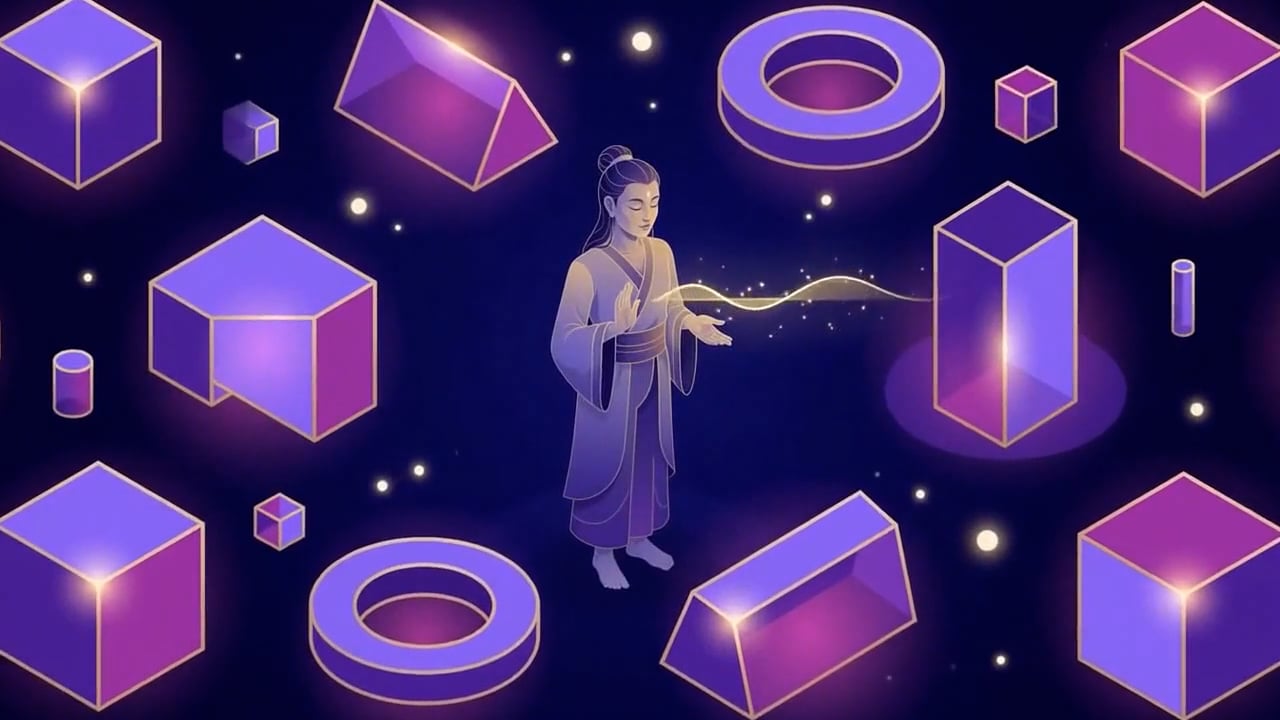
Your body has a brake pedal for stress, and it runs through a single nerve — the vagus nerve. This short explainer breaks down what the vagus actually does: it wanders from your brainstem to your gut, it mostly listens (around eighty percent of its fibres carry signals from your body up to your brain — the real basis for a "gut feeling"), and with every exhale it gently slows your heart.
That's the key: make the exhale longer than the inhale and you press the brake on purpose. How strong that brake is has a name — vagal tone — and it's measurable (through heart-rate variability) and trainable. Chronic stress wears it thin; slow breathing and long exhales build it back, with around six breaths a minute as the sweet spot. The catch is that counting exhales gets fiddly fast — which is where SOMA Breath comes in: the music sets the rhythm so the long exhale, and your own brake, do the work.
The Power of the Pause
What Happens When You Hold Your Breath
4:00 · 62 MB
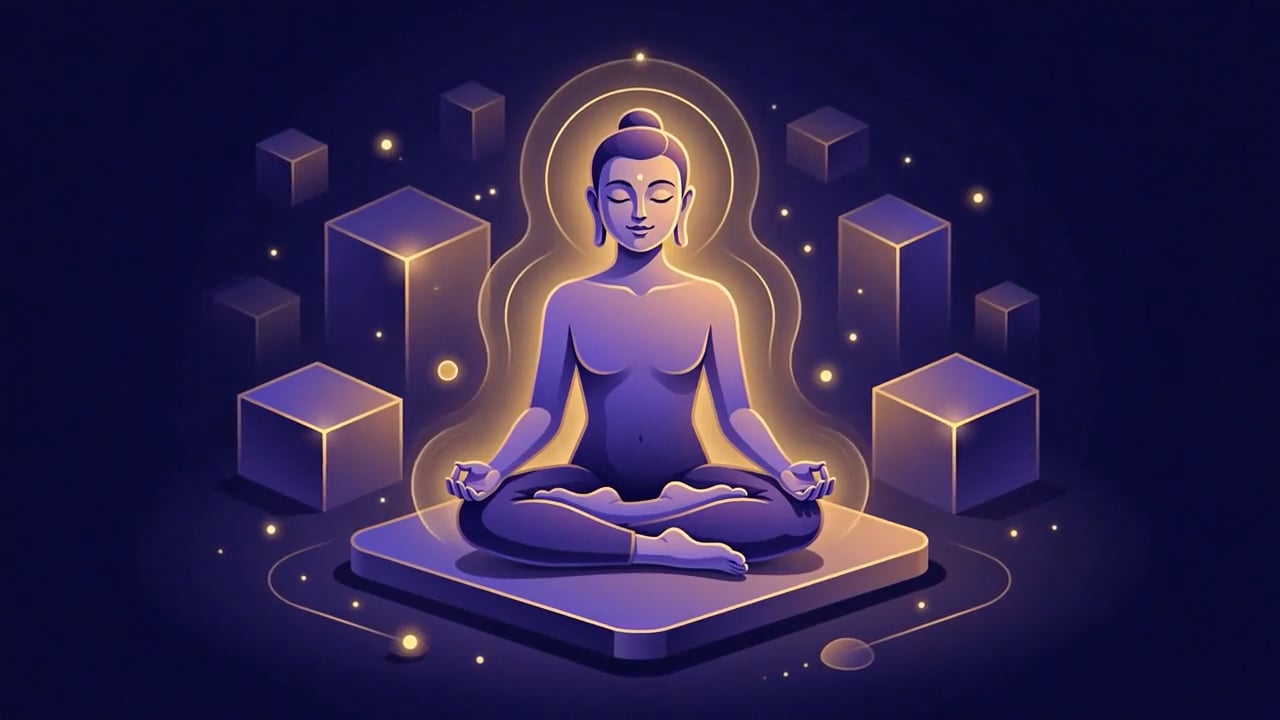
The most powerful part of a breath isn't the inhale or the exhale — it's the pause in between. This short explainer breaks down breath retention: hold gently and your heart slows and your body drops into deep calm; wait a little longer and "air hunger" rises — but that urge isn't danger, it's carbon dioxide knocking louder, and sitting with it calmly trains your tolerance.
The pause pays you back: nitric oxide opens your blood vessels, your spleen releases a reserve of fresh red blood cells, and stringing gentle holds together teaches your body to treat a little less oxygen as a cue to grow stronger. In short, a small, safe dose of discomfort teaches your whole system that stress is survivable — so everyday stress starts to feel smaller. The catch is that a breath-hold feels scary alone, so people quit early; in SOMA Breath the music carries you into and out of the stillness so you can relax and let it work.
Please practise safely — see the safety note below.
The Afterglow
How One Calm State Becomes Your New Baseline
4:06 · 67 MB
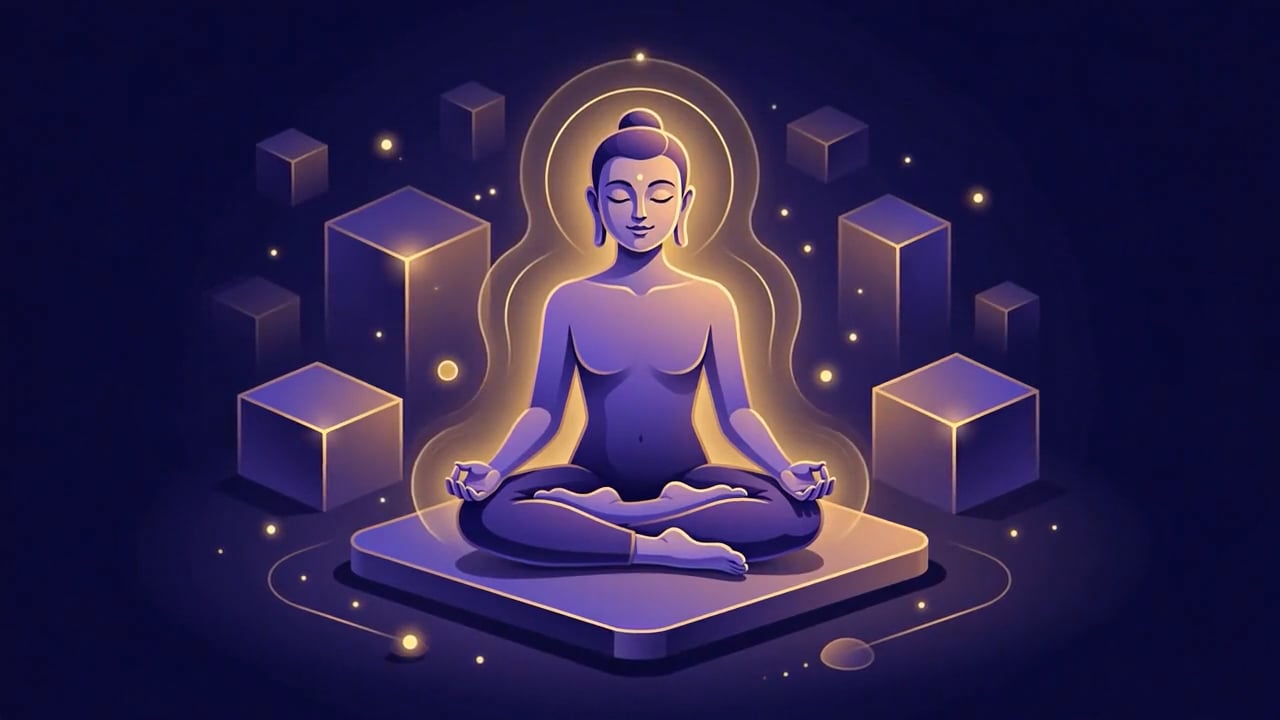
There's a feeling after a deep breathwork session — calm, clear, everything-is-okay. That's the afterglow, and it's more than a nice mood. Physiologically your nervous system has swung into deep rest, your amygdala (the brain's fear alarm) quiets, and its connection to the calm, regulating prefrontal cortex strengthens.
But here's what makes it matter: the afterglow doesn't have to be temporary. It's a window where your mind is open and flexible, so what you do in it lands deeper — and each time you return to that state, your brain rewires a little (neuroplasticity). Repeated peaks slowly move your baseline: the passing state becomes a lasting trait, and seasoned practitioners carry a calmer default even when they're not practising. That's the SOMA Breath arc — activate, peak, integrate, and rest in the afterglow: peak in the session, peace afterwards, and over time a better baseline. Because the music carries the journey, you reach that state reliably — you don't force it, you follow.
The Music That Guides You
Never Count Your Breaths (Let the Music Do It)
9:03 · 159 MB

The hardest part of breathwork isn't the breathing — it's holding a count in your head while your mind races. The moment you have to count seconds and track a pattern, calm turns into homework, and homework is what we quit.
But there's a shortcut your brain already knows. You can't hear a steady beat without moving to it — that's neural entrainment, your brain locking its rhythm onto an outside rhythm automatically. And it reaches your breath: music can pace your breathing directly, like a metronome for your lungs. So set the breath to a beat and the rhythm carries you — no counting. Music does more, too: it moves your state (toward a peak or into calm), it quiets the brain's perceived-effort signal so the practice feels lighter, and it releases dopamine so you actually look forward to it. Change the tempo and you guide the whole journey. That's why SOMA Breath is built on music, not counting — the soundtrack is the instructor. You don't concentrate. You listen, and let go.
The Rhythm of Life
Breathing in Rhythm Syncs Your Heart & Brain
3:52 · 56 MB
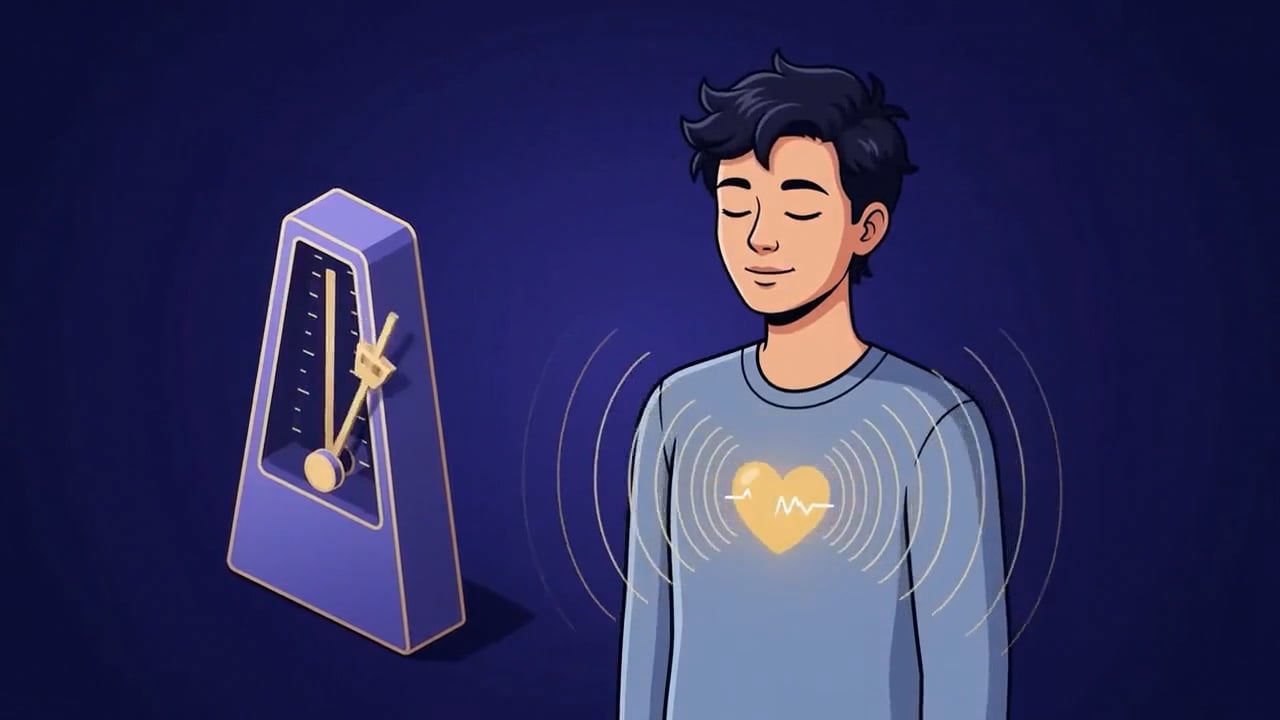
Your heart doesn't beat like a metronome — and it shouldn't. That dance is heart rate variability (HRV), one of the best measures of health we have. And nothing shapes it more directly than your breath: every inhale speeds the heart, every exhale slows it (respiratory sinus arrhythmia). Breathe in a steady rhythm and your heart rate becomes one smooth sine wave — a state called coherence, studied for decades by the HeartMath Institute, where heart, breath, blood pressure and brainwaves lock into one shared rhythm. Then the pattern becomes the prescription: 4:4 to balance, extended exhale (2:4, 4:8) to calm, faster rhythms (2:2, 1:1) to energize — and in a group, whole rooms synchronize into one field. This is the rhythmic foundation every SOMA Breath session is built on, including the Coherence mode: five counts in, five counts out.
The Inner Fire
How Your Cells Make Energy (and Light)
5:43 · 95 MB
Inside every cell of your body, a tiny fire is burning. This episode reveals your mitochondria — the engines that turn food and oxygen into the energy ancient yogis called prana — why they age you when they run dirty, how breath keeps them clean, and the remarkable science showing your cells actually emit light. Part 8 of the SOMA Breath science series.
The Cellular Upgrade
Nitric Oxide, Breath Fasting & Stem Cells
6:02 · 91 MB
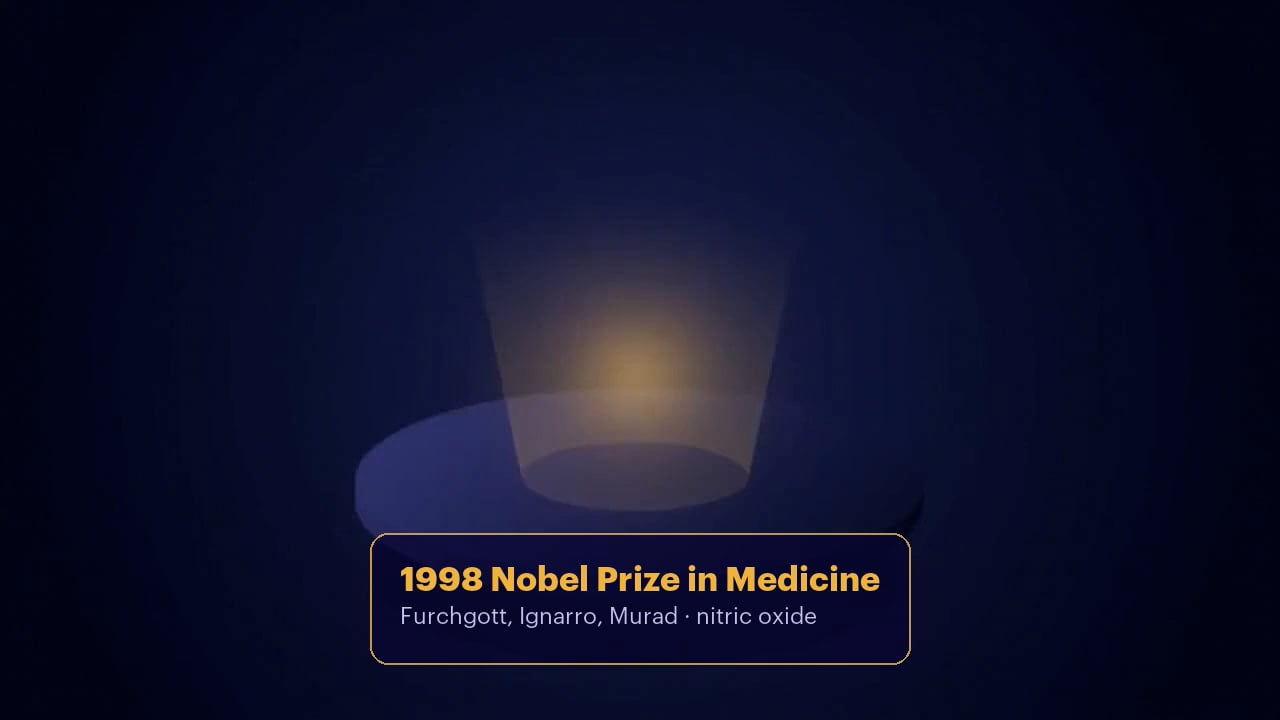
Your nose is a factory for a Nobel Prize-winning molecule — and your breath holds the trigger that exclusive longevity clinics charge thousands for. This episode covers nitric oxide (what it does, why mouth breathing makes you deficient, why humming boosts it 15-fold), intermittent hypoxia — the "breath fasting" cascade of new blood vessels, upgraded mitochondria and mobilized stem cells — and the golden rule that makes it safe. Part 9 of the SOMA Breath science series.
Your Breath Washes Your Brain
The Hidden River in Your Head
5:50 · 75 MB
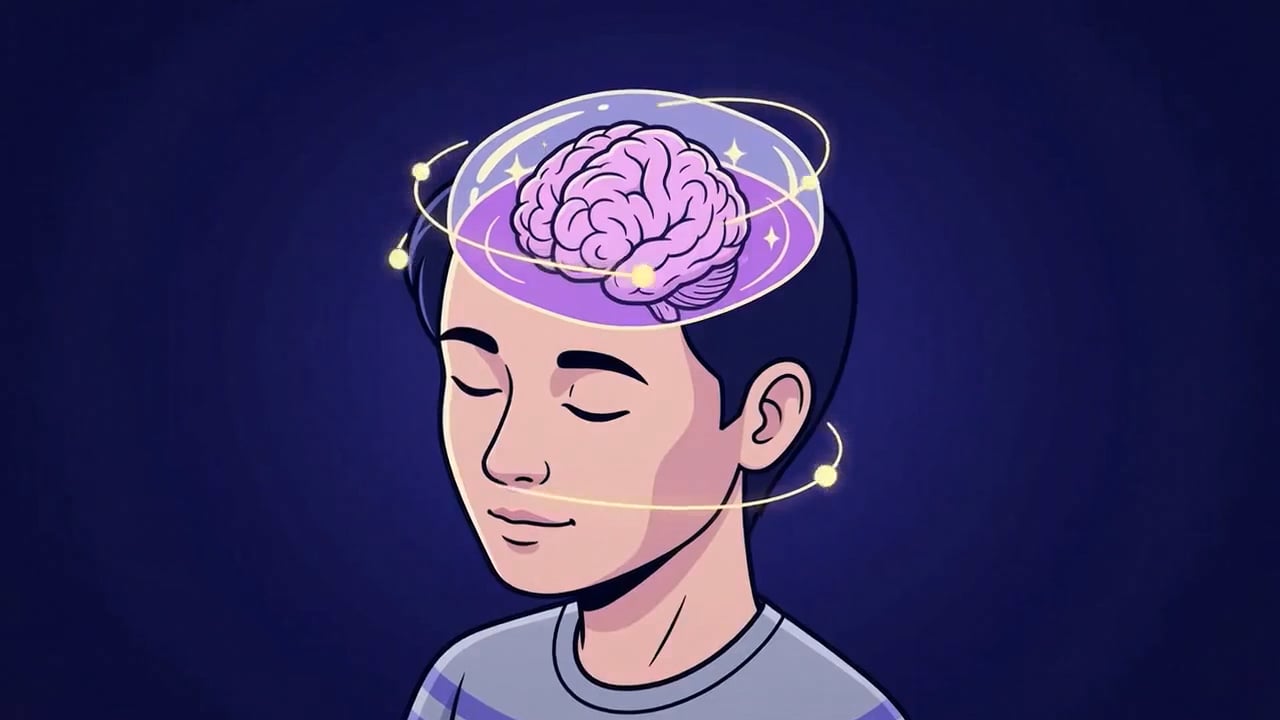
Right now your brain is floating: 1.4 kilograms of tissue suspended so perfectly in cerebrospinal fluid that it effectively weighs just 25 grams. Your body brews half a litre of this fluid every day — and in 2013, neuroscientist Maiken Nedergaard discovered why: the brain uses it to wash itself. During deep sleep, brain cells shrink and open corridors up to 60% wider so the fluid can flush the day's waste away — including amyloid-beta, the protein linked to Alzheimer's. And in 2015, real-time MRI revealed what pumps this river when you're awake: your breath. Deep diaphragmatic inhalation is the major driver of cerebrospinal fluid flow. The way you breathe... washes your brain. Includes the River Breath practice.
How Trauma Really Works
and How Breath Releases It
5:56 · 80 MB
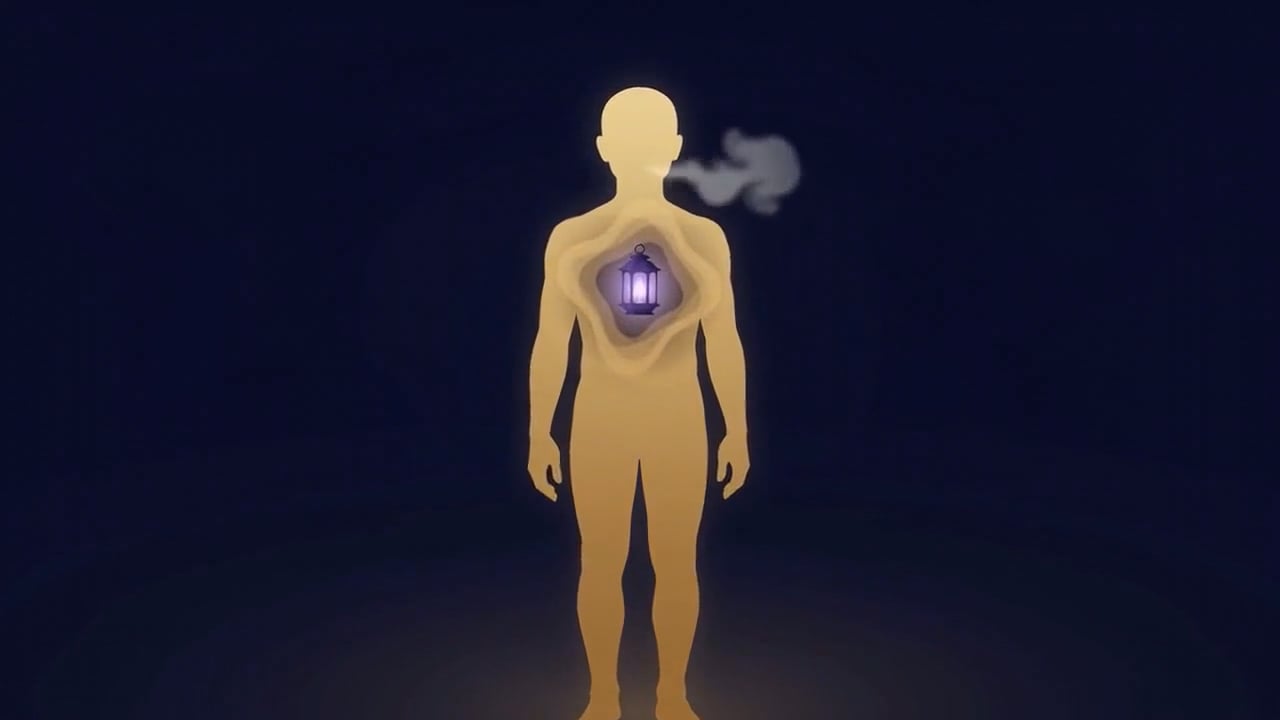
Trauma isn't just a memory — it's a nervous system stuck in survival mode, and your breathing pattern is both the symptom and the cause. This episode covers the three nervous-system states, why willpower fails against addiction (self-medication as survival), the brain-imaging research showing trauma is a real physical wound, and how intermittent hypoxia plus NeuroSomatic Programming reboot the system — gently, never by force. Part 10 of the SOMA Breath science series.
The Breath of Free Will
Karmic Breath vs Wisdom Breath
3:51 · 59 MB

Do you actually have free will? Tibetan tradition says there are two ways of breathing — karmic breath (autopilot, run by your conditioning) and wisdom breath (conscious, the author's seat). And a remarkable Swiss study found that voluntary choices are consistently initiated on the EXHALE — science locating free will exactly where the yogis placed rechaka, the letting-go breath. Plus: the blind horse and the rider, the 0-7 imprints that filter your reality, and why the stable fire is the ultimate high. Part 11 of the SOMA Breath science series.
The Legend of Soma
Why It's Called SOMA Breath
3:33 · 60 MB
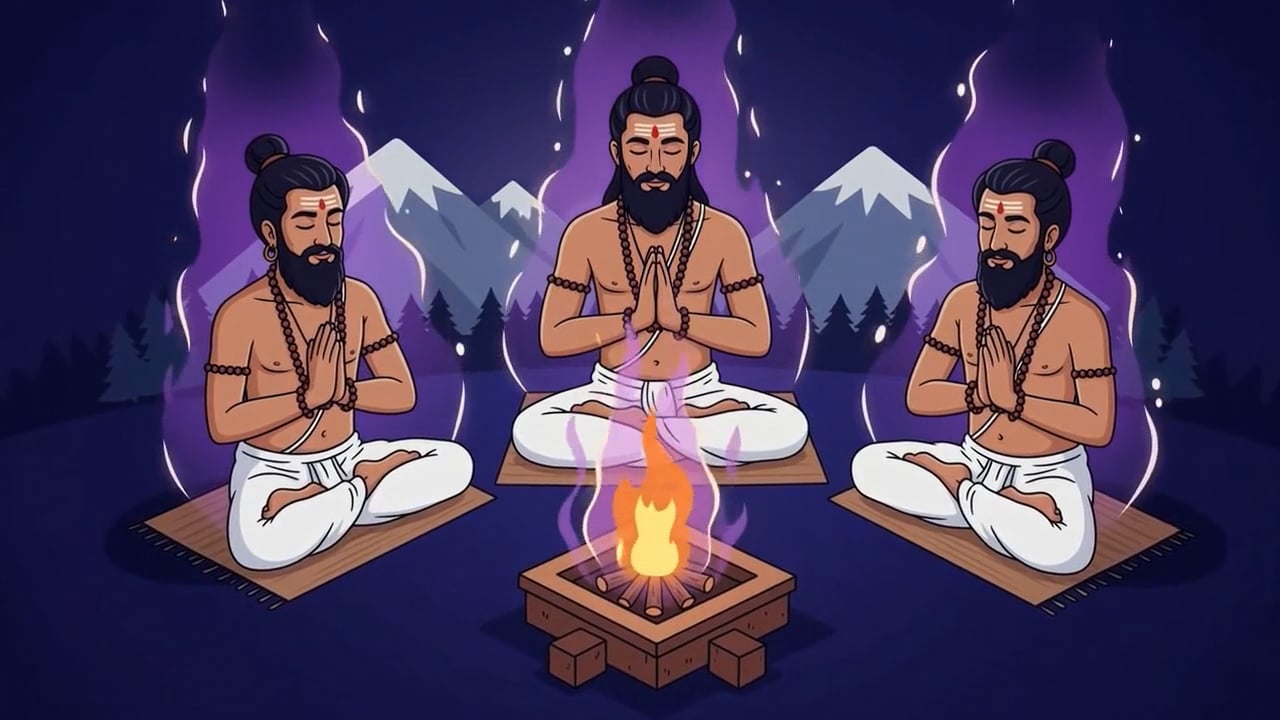
Humanity's oldest sacred texts are obsessed with a drink called soma — praised tens of thousands of times in the Rig Veda for bliss, courage, even immortality. Then the plant was lost to history. What the ancient seekers did next changed everything: they invented breathing practices, meditation and sound to create the same states from the inside — they discovered the inner pharmacy. This is the story behind the name SOMA Breath. Part 12 of the science series.
The SOMA Breath Effect
How One Practice Creates Many Experiences
6:19 · 129 MB

A SOMA Breath session isn't random breathing — every part is engineered to create one powerful effect. It rests on three pillars: the breath, the music, and the mind work.
At its core is an ancient pranayama. Traditionally, you'd blow off carbon dioxide with fast, forceful breathing just to hold longer — SOMA Breath modifies it, using gentle rhythmic breathing to music so you stay calm and relaxed. And that rhythm is the key: every function in your body answers to the rhythm of your breath, so your breath becomes the master controller. The most common pattern is a simple four in, four out, set to music at 60 or 120 BPM — the tempo of a calm heart — pulling your whole system into coherence. But a session is an arc: the rhythm can speed up (2:2, even 1:1) toward a peak and near-psychedelic states, or slow with a long exhale (4:8) to switch on deep rest-and-heal. That range is what sets SOMA Breath apart — one practice, many rhythms, for energy, calm, or healing.
And every session is its own guided experience of music, sound and expert guidance — so, like a pharmacist choosing a prescription, each one is designed for a different outcome: to energize, to sleep, to heal and release, to focus, to create, or to reach bliss. The arc is always the same shape — intention, rhythmic breathing, the breath hold, and integration, round after round. That's the SOMA Breath effect.
The Movement
Why Millions Are Coming Back to the Breath
10:02 · 140 MB
The finale of the SOMA Breath science series. Where it all came from — a pharmacist whose own health collapsed, the path of the breath that changed everything, and what it became: a worldwide movement of Guided Awakening Ceremonies, Breath Rave, SOMA Breath Yoga, water ceremonies and daily doses of calm, taught by more than 4,000 certified instructors in almost every major city on Earth. Featuring live moments from the founder's keynote.
Practise safely
Breath retention and intense breathing exercises carry contraindications. Never practise while driving or in water. If you are pregnant, or have cardiovascular, respiratory or mental-health conditions, consult a qualified professional first.
Always practise seated or lying down, somewhere you are safe if you become light-headed.
Medical disclaimer
These videos are educational content only and are not medical advice. They are not intended to diagnose, treat, cure or prevent any disease, and are not a replacement for medication, therapy or professional care. If you are experiencing distress, please seek support from a qualified professional.
© SOMA Breath, Inc. All Rights Reserved. These animations, their scripts and their artwork are the property of SOMA Breath.